



York TMS Clinic
 N/a
N/aYork TMS Clinic
Copyright © York TMS Clinic. 2025 | All rights reserved.


At York TMS Clinic, we are proud to offer the most advanced, cutting-edge mental health treatments on the market, including one of the leading TMS therapies known as NeuroStar Advanced Transcranial Magnetic Stimulation (TMS) Therapy. This type of therapy, widely considered to be one of the best treatments available today, is an evidence-based treatment designed to support patients over the age of 15 with clinical depression, anxious depression, and obsessive-compulsive disorder.
By partnering with NeuroStar, highly trained clinical professionals can customize your treatment to meet your specific mental health needs. Schedule your consultation for NeuroStar Advanced TMS Therapy in York with our collaborative team of mental health specialists at York TMS Clinic today. Let us help you re-discover wellness.


Self-pay and financing options available upon request. We also accept medical financing options such as CareCredit and Advance Care Card.

Transcranial Magnetic Stimulation (TMS) is an innovative, non-invasive mental health treatment that is designed to resolve mental health symptoms at their source—your brain. TMS gently but effectively stimulates strategic brain areas that regulate your mood, behavior, and emotion, improving symptoms associated with these regions. By enhancing your brain activity in these regions, TMS can help improve your brain function and alleviate your mental health symptoms.
NeuroStar Advanced TMS Therapy—the top-recommended TMS treatment by mental health physicians—is known for its safety and efficacy. Our mental health clinicians in York can review your condition and symptoms to determine if NeuroStar Advanced TMS Therapy is right for you.
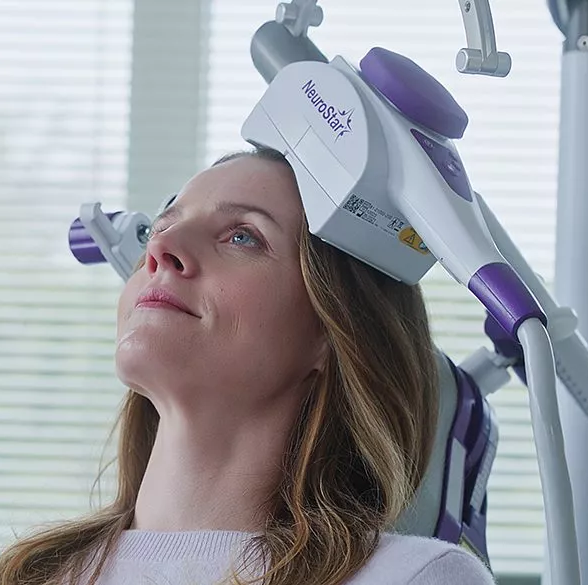
NeuroStar Advanced TMS Therapy is a proven, safe, and effective mental health treatment in York. Some of the benefits include:
This FDA-cleared treatment is supported by extensive research involving over 150,000 patients and nearly 6 million treatments. NeuroStar Advanced TMS Therapy is offered through our personalized treatment programs that are tailored to each patient. With each treatment session lasting only 19 minutes at our clinic, and the treatment course typically completed in under two months, we provide a convenient and comfortable patient experience. Most patients report that TMS therapy is painless, with some experiencing minor, temporary discomfort. We encourage patients to relax during treatment by reading a book, scrolling on their phone, or engaging in another activity to distract them.

Individuals in York may not be familiar with NeuroStar Advanced TMS Therapy. You may want answers to your questions before you decide to undergo treatment.
NeuroStar treatment is heavily supported by several clinical studies. In an analysis of 65 clinical trial studies, 83% of patients saw substantial improvement in their depressive and anxiety symptoms after completing their treatment cycle. Additionally, 62% of participants fully recovered from their conditions.
NeuroStar is highly recommended by physicians and is covered by major insurers, including Medicare, Medicaid, and TRICARE, with additional financial options for eligible patients. Your insurance coverage will depend on your provider and your policy. Most insurance providers will require you to try at least two to four medications before starting NeuroStar treatment. For assistance navigating insurance coverage, our specialist team can help you communicate with your insurance company to receive the financial support you deserve.
One significant advantage of NeuroStar treatment is that most patients find they do not experience pain during the procedure or suffer any side effects after treatment. In 65 clinical trials involving over 150,000 patients and six million tests, there were no patient reports of substantial side effects. Some patients did experience temporary minor discomfort at the treatment site, but these symptoms were manageable with over-the-counter medication. Due to these results, patients often prefer this treatment for their mental health needs.
Our dedicated mental health professionals can further explain the benefits of NeuroStar Advanced TMS Therapy and answer any other questions you may have.





York TMS Clinic
N/aYork TMS Clinic
Copyright © York TMS Clinic. 2025 | All rights reserved.